 NL
NL  EN
EN 
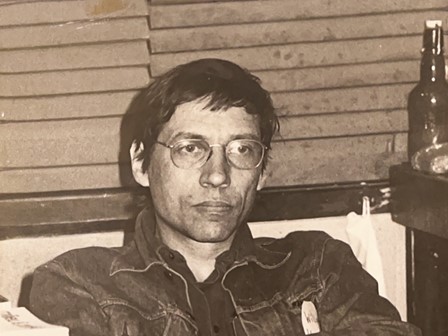 Willem Hoogendijk (1932-2023) was a Dutch environmental activist, lawyer and one of the early thinkers in the field of ecological economics. Decades before the term degrowth became more widely known, he pointed to the fundamental problems of an economy focused on continuous growth.
In his work, Hoogendijk criticised the ease with which economic growth was presented as a solution to social challenges. He proposed a different starting point: an economy that takes ecological limits into account and puts well-being, justice and liveability at the centre. His ideas were sharp, sometimes confrontational, but always aimed at opening up new ways of thinking.
He developed his ideas in, among other works, The Economic Revolution (1991), which later appeared in Dutch under the title Economie Ondersteboven. Hoogendijk also became known for works such as De grote Ommekeer. In these books, he literally turned conventional economic thinking upside down. Economic growth should not be the starting point; rather, the central question should be how societies can be organised so that people and nature remain in balance. In this respect, he was far ahead of his time.
The Economie Ondersteboven Thesis Prize bears his name to keep these ideas alive and pass them on to new generations. By inviting young researchers to think critically about the economy, this prize honours his legacy and invites students to continue the debate with new insights, research and imagination.