 NL
NL  EN
EN 
What would an economy look like if it increased our wellbeing without exhausting the Earth?
 As the climate crisis, biodiversity loss and growing inequality show that endless economic growth has reached its limits, the search for new answers is more urgent than ever. The Economie Ondersteboven Thesis Prize is a new award that challenges university master's students to contribute fresh, critical ideas about degrowth: an economy that operates within the carrying capacity of people and planet. With this prize, we honour the ideas of Willem Hoogendijk, who was already writing about degrowth in the 1990s, and inspire a new generation.
Degrowth is a movement that argues that continuous economic growth is not sustainable. It is about reducing (over)consumption and polluting activities, distributing financial resources and time fairly, and strengthening local, sustainable and just ways of living together. It is not so much about having no economic growth at all, but about the idea that measuring economic growth is no longer relevant.
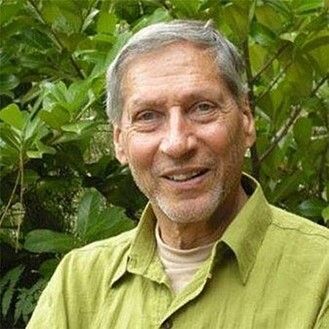
Willem Hoogendijk (1932-2023) was a Dutch environmental activist, lawyer and pioneer of ecological economics. In books such as 'Economie Ondersteboven' and 'De grote Ommekeer', he criticised the obsession with economic growth and advocated an economy that does justice to nature and society.
The Economie Ondersteboven Thesis Prize:
- Gives young researchers (master's students) a platform to present their thesis on degrowth.
- Rewards inspiring and innovative theses with a prize and visibility.
- May offer a flying start to a career in this field of research.
- Has a jury of prominent experts, including Kees Klomp, Shinta Oosterwaal and Klaas van Egmond.
- Will be presented during a festive public event.